
Bridal Wedding Contingencies
What Should You Prepare For?
THE WEDDING CO. GUIDE
| A bridal contingency plan is not a second version of the wedding. It is a small set of calm, practical alternatives for the personal details most likely to change: outfits, beauty, flowers, accessories and time. |
Some of the most stressful wedding surprises are not large emergencies. They are intensely personal: a blouse hook breaks, the trousseau delivery moves, the makeup artist is caught in traffic or the flowers promised for the bridal hairstyle are unavailable.
Most of these situations can be resolved beautifully when an alternative has already been identified. The aim is not to duplicate every purchase. It is to protect the bride’s comfort, confidence and preparation time without asking her to make urgent decisions while getting ready.
What If the Bridal Outfit or Trousseau Is Delayed?
Custom garments can be affected by production schedules, embroidery, shipping and multiple fittings. Request written delivery dates that leave time for alterations, and schedule progress checks rather than waiting until the final collection date.
For the principal wedding outfit, identify an existing or ready-to-wear alternative that can be styled appropriately if delivery becomes uncertain. Trousseau items are less urgent: prioritise the pieces needed immediately after the wedding and allow the rest to arrive later.
BRIDAL BACKUP: Set internal delivery deadlines several weeks earlier than the real need date, and keep one complete backup look ready.
What If a Stitch, Zip, Hook or Embellishment Comes Undone?
Detailed outfits are handled repeatedly during fittings, packing, dressing and photography. Inspect every garment after the final fitting and again after transport. Reinforce closures and test whether the bride can sit, walk, raise her arms and use the washroom comfortably.
Keep a compact sewing kit with matching thread, needles, safety pins, fashion tape, spare hooks, tiny scissors and fabric glue. Delicate or heavily embroidered garments may need a tailor or dresser on call rather than an improvised repair.
BRIDAL BACKUP: Pack a function-specific repair pouch and assign it to the stylist, dresser or one calm family member.
What If the Outfit No Longer Fits Perfectly?
Measurements can change between ordering and the wedding. Complete the final fitting close enough to reflect the current fit but early enough for thoughtful alterations. Avoid extreme last-minute changes to diet or routine that affect comfort and energy.
Designers can sometimes build flexibility into closures, margins and blouse backs. Keep suitable innerwear and shapewear options, but never rely on a new, untested piece on the wedding day.
BRIDAL BACKUP: Schedule a final movement-based fitting and retain alteration margins wherever the design allows.
What If the Preferred Flowers Are Unavailable?
Flowers are seasonal and can be affected by transport, weather and market supply. Ask the florist to define the intended colour, shape, scale and texture of the design—not only one specific bloom.
Approve one or two substitutions in advance for the bridal bouquet, hair flowers and important personal pieces. If a flower has emotional significance, reserve it for the closest possible use and allow the wider décor to adapt.
BRIDAL BACKUP: Approve substitutes by colour and visual character, and ask to be contacted only if the replacement changes the overall look.
What If the Makeup Artist or Hairstylist Is Delayed?
Confirm the named artists, call time, travel plan and expected preparation duration in writing. For destination weddings, ask when the team arrives and whether they stay on property. The studio should explain its replacement policy if the assigned artist is unavailable.
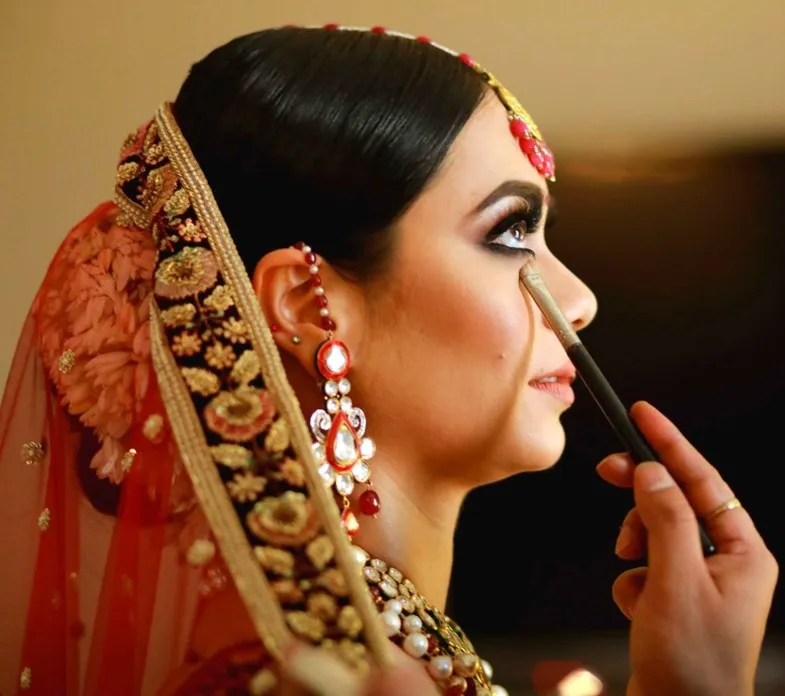
Build a buffer before photography and ceremony calls. Keep a personal kit with the bride’s exact foundation or concealer match, lip colour, powder and essential hair products. A backup artist should be identified for critical functions if the original team is travelling from another city.
BRIDAL BACKUP: Confirm a substitute artist through the studio and keep an edited personal beauty kit that someone trusted can use for essential finishing.
What If the Makeup or Skincare Causes a Reaction?
Avoid new facials, actives, hair colour, waxing methods or untested makeup immediately before the wedding. Complete makeup and hair trials early enough to evaluate products, wear time, photography and comfort.
Share known allergies and sensitivities with the beauty team in writing. Keep prescribed or familiar remedies available and seek medical advice for significant reactions rather than experimenting during the wedding.
BRIDAL BACKUP: Use tested products, document sensitivities and keep only familiar, professionally advised remedies accessible.
What If Jewellery Breaks or a Piece Goes Missing?
Photograph every complete look and create a jewellery inventory. Check clasps, earring backs, strings and settings before packing. Carry spare earring backs, safety chains where appropriate and a small case for jewellery removed during the function.
Identify a simpler backup set for each principal outfit. Valuable pieces should have one named custodian, secure storage and a clear handover process; they should never move informally between rooms.
BRIDAL BACKUP: Assign jewellery custody to one person and pre-style an alternate combination using pieces already packed.
What If the Shoes Become Painful or Break?
Wear every pair before the wedding and test it with the outfit’s length. Pack gel pads, blister protection and basic adhesive, but comfort should come from the shoe rather than emergency products alone.
Keep a comfortable alternative in the same height if the garment depends on it, plus flats or supportive sandals for travel and late-night dancing. The backup should be accessible at the venue, not in a distant hotel room.
BRIDAL BACKUP: Break in the shoes, test the full outfit and place a comfortable replacement near the bridal suite or stage.
What If an Accessory, Dupatta or Personal Item Is Missing?
Pack by complete look, not category. Each function should have one labelled garment bag or box containing outfit pieces, blouse, dupatta, jewellery reference, footwear, innerwear, accessories and any ceremony-specific items.
Use a photograph and checklist inside every bag. Keep irreplaceable documents, rings, medicines and heirloom pieces with named custodians rather than in general luggage.
BRIDAL BACKUP: Create one sealed, labelled kit per function and complete a handover check before leaving for the venue.
What If the Bridal Preparation Schedule Runs Late?
Hair, makeup, dressing, jewellery and portraits often take longer than expected. Build the schedule backwards from the non-negotiable departure or ceremony time, then add a genuine buffer.
Decide in advance what can be shortened: extra portraits, an elaborate hairstyle step or a nonessential outfit detail. The planner should coordinate updates without bringing every delay to the bride.
BRIDAL BACKUP: Pre-approve the elements that may be simplified, and give one person authority to protect the departure time.
What Personal Health Contingencies Should the Bride Plan?
Pack regular medicines, prescriptions, hydration, simple food and any menstrual products likely to be needed. Consider allergies, migraines, contact lenses, mobility, heat and the length of rituals or standing periods.
Share essential medical information with one trusted person and know where professional care is available. The bridal suite should contain water and food the bride can comfortably eat between preparation steps.
BRIDAL BACKUP: Prepare a personal health pouch, eat and hydrate on schedule, and assign one trusted person to notice needs before they become urgent.
Who Should Manage the Bridal Emergency Kit?
The bride should not carry or organise the kit herself. Assign it to a bridesmaid, sibling, stylist or planner who will remain nearby and understands every item. Separate repair, beauty, health and jewellery supplies so the kit is easy to use.
Include only tested, relevant items: sewing supplies, fashion tape, stain treatment suitable for the fabric, tissues, blotting paper, lip colour, powder, hairpins, deodorant, mints, bandages, blister care, medicines, chargers and copies of essential contacts.
BRIDAL BACKUP: Use one labelled kit, one responsible person and one accessible location for each function.
What Is the Best Bridal Contingency Planning Formula?
For every important personal element, identify the original plan, the most likely issue, a pre-approved alternative and the person authorised to act. Photograph complete looks, finish fittings early, confirm beauty-team backups and pack by function. The bride should know the plan exists without being responsible for operating it.
A backup does not need to be identical to the first choice. It needs to preserve the overall look, comfort and meaning of the moment well enough that the celebration can continue with confidence.
| THE WEDDING CO. PERSPECTIVEAt The Wedding Co., we believe bridal contingency planning should be discreet, personal and reassuring. The purpose is not to prepare the bride for problems—it is to ensure experienced people can resolve them without interrupting her wedding.When the alternatives have already been chosen, even an imperfect detail can remain a beautiful part of the day. |